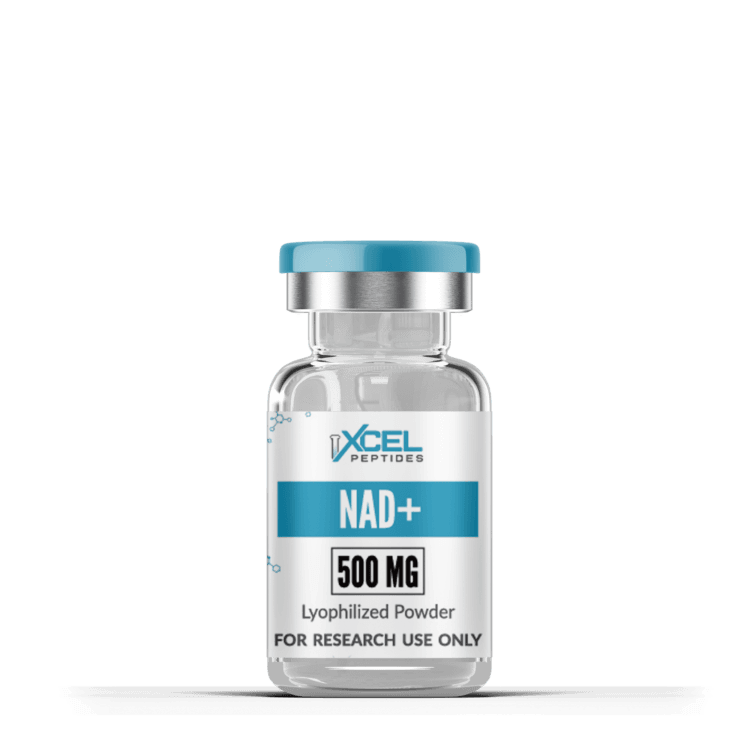
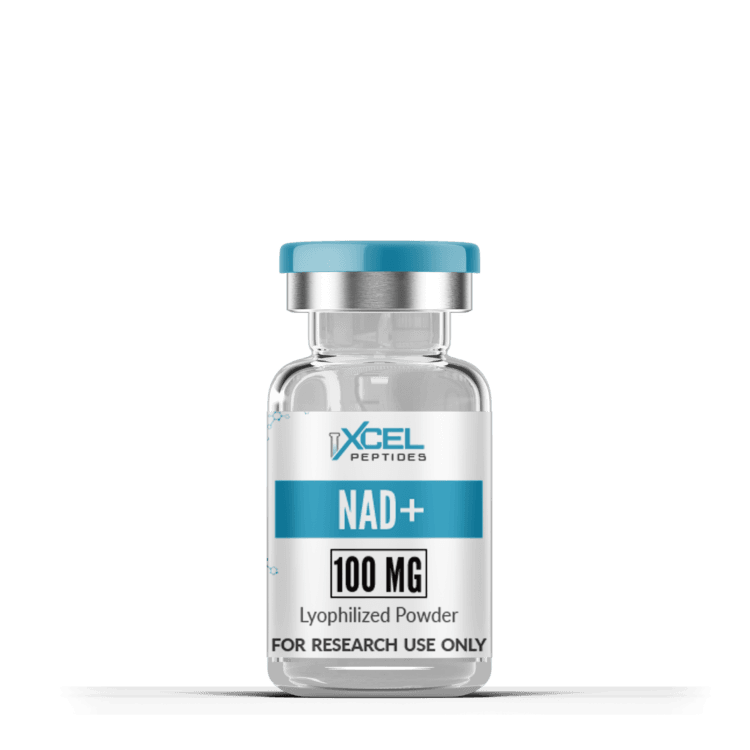
NAD+ (Nicotinamide Adenine Dinucleotide) is a naturally occurring coenzyme found in every living cell of the human body. It plays a crucial role in energy production, DNA repair, and cellular function. As we age, NAD+ levels decline, leading to fatigue, decreased cognitive function, and accelerated aging. Recent research highlights it as a key factor in slowing the aging process, boosting mental clarity, and improving overall vitality.
In this article, we’ll dive into what NAD+ is, its benefits, potential drawbacks, and why supplementation is becoming one of the most talked-about health and wellness trends.
It is a coenzyme derived from Vitamin B3 (niacin) and is essential for converting nutrients into cellular energy. It acts as a helper molecule in numerous metabolic reactions and is vital for maintaining healthy mitochondrial function. Without sufficient NAD+, your body cannot produce the energy it needs to function optimally.
NAD+ exists in two forms:
NAD+ (oxidized form): Acts as an electron acceptor in energy metabolism.
NADH (reduced form): Donates electrons to support cellular respiration.
This continuous cycle fuels energy production and supports vital biological processes.
It’s plays a central role in ATP production, the energy currency of cells. Higher it’s levels translate into improved stamina, reduced fatigue, and enhanced physical performance.
As we age, NAD+ declines, which contributes to mitochondrial dysfunction and accelerated aging. Supplementation helps slow this process, promoting longevity and cellular repair.
It’s is linked to better memory, focus, and mental clarity. It supports neurotransmitter function and helps protect brain cells from oxidative stress, making it valuable in preventing cognitive decline.
It’s activates sirtuins, proteins responsible for DNA repair and cellular survival. This means higher it levels help combat cellular damage caused by stress, toxins, and environmental factors.
It’s supports proper glucose and lipid metabolism, helping maintain a healthy weight, stabilize blood sugar, and improve metabolic health.
By boosting cellular repair and energy production, It’s helps your immune system respond better to infections and stressors.
It’s aids in removing harmful free radicals and toxins, supporting liver function and overall detox processes.
Exercise regularly: Physical activity boosts it production.
Eat a healthy diet: Foods rich in Vitamin B3 (chicken, turkey, peanuts, fish) support NAD+ levels.
Intermittent fasting: Helps stimulate it production by improving mitochondrial health.
Reduce alcohol intake: Excess alcohol lowers it levels and damages mitochondria.
Supplementation: it precursors such as NMN (Nicotinamide Mononucleotide) and NR (Nicotinamide Riboside) are popular for increasing levels.
Because natural production declines with age, many turn to it supplements or intravenous (IV) therapy to restore optimal levels. NAD+ supplements are available in capsule or powder form, often containing NMN or NR. IV therapy delivers NAD+ directly into the bloodstream, providing faster results in boosting energy, improving mood, and enhancing brain function.
While it’s supplementation is generally safe, some users may experience mild side effects, including:
Nausea
Fatigue
Headaches
Digestive discomfort
Most side effects are temporary and subside as the body adjusts. However, always consult with a healthcare professional before starting it therapy, especially if you have pre-existing conditions.
It is one of the most vital molecules in the human body, supporting energy, longevity, cognitive health, and cellular repair. With age-related decline, supplementation through NMN, NR, or NAD+ IV therapy has gained popularity as a way to restore vitality and slow the aging process.
Whether you’re looking to improve energy, sharpen your focus, or support healthy aging, maintaining optimal NAD+ levels could be a game-changer for your overall health and well-being.